Chrome Web Extension
 Edge Web Extension
 Android App
 iOS App



Have you ever been immersed in an online article, only to be jolted out of your concentration by a sudden video ad? It’s a common frustration shared by many internet users today. Video ads, while a crucial part of the digital marketing ecosystem, can often be intrusive and disruptive to our online experience.
Why Should You Block Video Ads?
Video ads are more than just a minor annoyance; they can significantly hinder our online experience. They consume valuable data, slow down page loading times, and can be particularly intrusive when they play sound automatically. Blocking these ads isn’t just about avoiding irritation; it’s about reclaiming control over your digital environment.
The staggering reach of online videos, with 92.3% of internet users worldwide engaged, underscores the pervasive nature of video content, including ads. However, this extensive engagement, coupled with the fact that people are spending an average of 17 hours per week watching online videos, can lead to a saturation point where video ads become more annoying and disruptive.
This overexposure to video content, especially ads, risks overwhelming users, potentially leading to ad fatigue and a negative user experience.
What Built-in Options Do Browsers Have to Block Video Ads?
The good news is that major browsers like Chrome, Firefox, Safari, and Edge have stepped up to offer built-in options for blocking video ads. These features are designed to enhance user experience by providing more control over content visibility and reducing unwanted interruptions.
Let’s dive into how each of these popular browsers equips you with the tools in order to have a smoother, ad-free online journey:
Google Chrome: Built-in Tools for a Cleaner Browsing Experience
Google’s Chrome offers several built-in features to block video ads. Users can mute individual tabs or adjust site settings to prevent autoplay videos. However, these solutions sometimes require manual intervention for each site, which can be time-consuming.
Mozilla Firefox: A User-Friendly Approach to Ad Blocking
Firefox provides an intuitive interface for blocking autoplay videos. Through its settings, users can easily control autoplay permissions, offering a more seamless way to manage video ads. Firefox’s focus on user privacy and control makes it a strong contender in the ad-blocking arena.
Apple Safari: Streamlined Ad Blocking for Mac Users
Safari’s approach on how to block video ads is straightforward and effective. Users can mute tabs or adjust autoplay settings in the Preferences menu. Safari’s integration with macOS also ensures a smoother ad-blocking experience for Apple enthusiasts.
Microsoft Edge: The New Contender in Ad Blocking
Edge has made significant strides in offering user-friendly ad-blocking features. Its settings allow users to limit or disable autoplay videos, providing a more pleasant browsing experience, especially for Windows users.
Poper Blocker: The Ultimate Solution to Stop Video Ads
The Poper Blocker extension seamlessly integrates with your browser, offering an effortless way to block video ads. It enhances your browsing experience by eliminating disruptive advertisements, ensuring a more streamlined and uninterrupted online experience across a wide range of websites.

How to Stop Video Ads with Poper Blocker
Poper Blocker stands out as a comprehensive solution for blocking video ads across these browsers. Its ability to remove sponsored content on social media platforms and also hide ads on YouTube videos makes it a versatile tool for a distraction-free online experience.
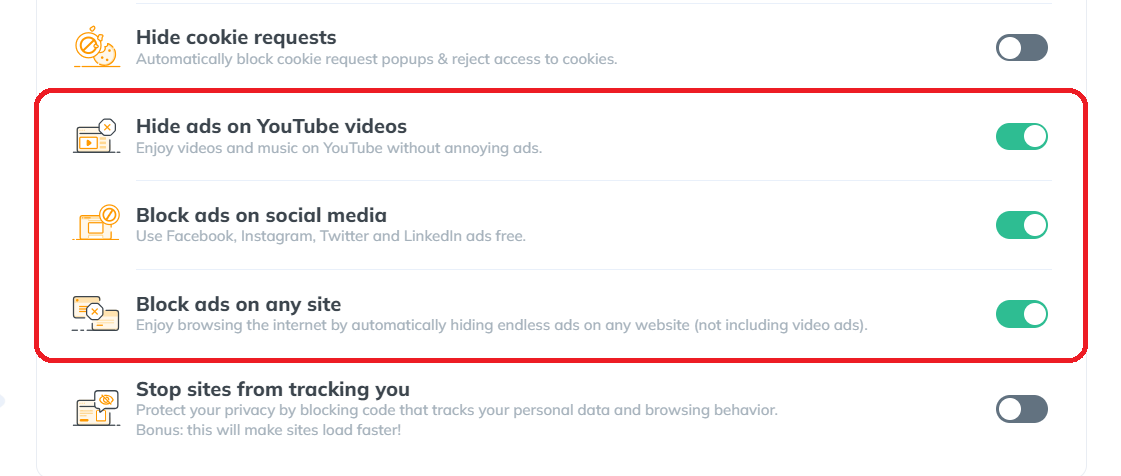
The Benefits of Using Poper Blocker
- Effortless Integration: Poper Blocker easily integrates with your browser, providing a hassle-free setup.
- Comprehensive Ad Blocking: It effectively blocks video ads across various platforms.
- Enhanced Browsing Experience: This tool effectively targets and removes ads from various websites, ensuring a smoother and more uninterrupted browsing experience.
Reduced Online Distractions: By eliminating frequent ad interruptions across different websites, Poper Blocker helps users stay focused on the content, enhancing productivity and the overall quality of their online activities.
Embrace a Cleaner, Faster, and More Enjoyable Online Experience
The power to control what you see and how you interact with content is more important than ever in today’s fast-paced online environment. Video ads, while a part of the online landscape, don’t have to be a disruptive element in your browsing experience.
By embracing ad-blocking solutions like Poper Blocker, you’re not just avoiding unwanted interruptions; you’re crafting a more personalized and efficient online journey. This tool doesn’t just remove distractions; it enhances your engagement with the content that truly matters to you.
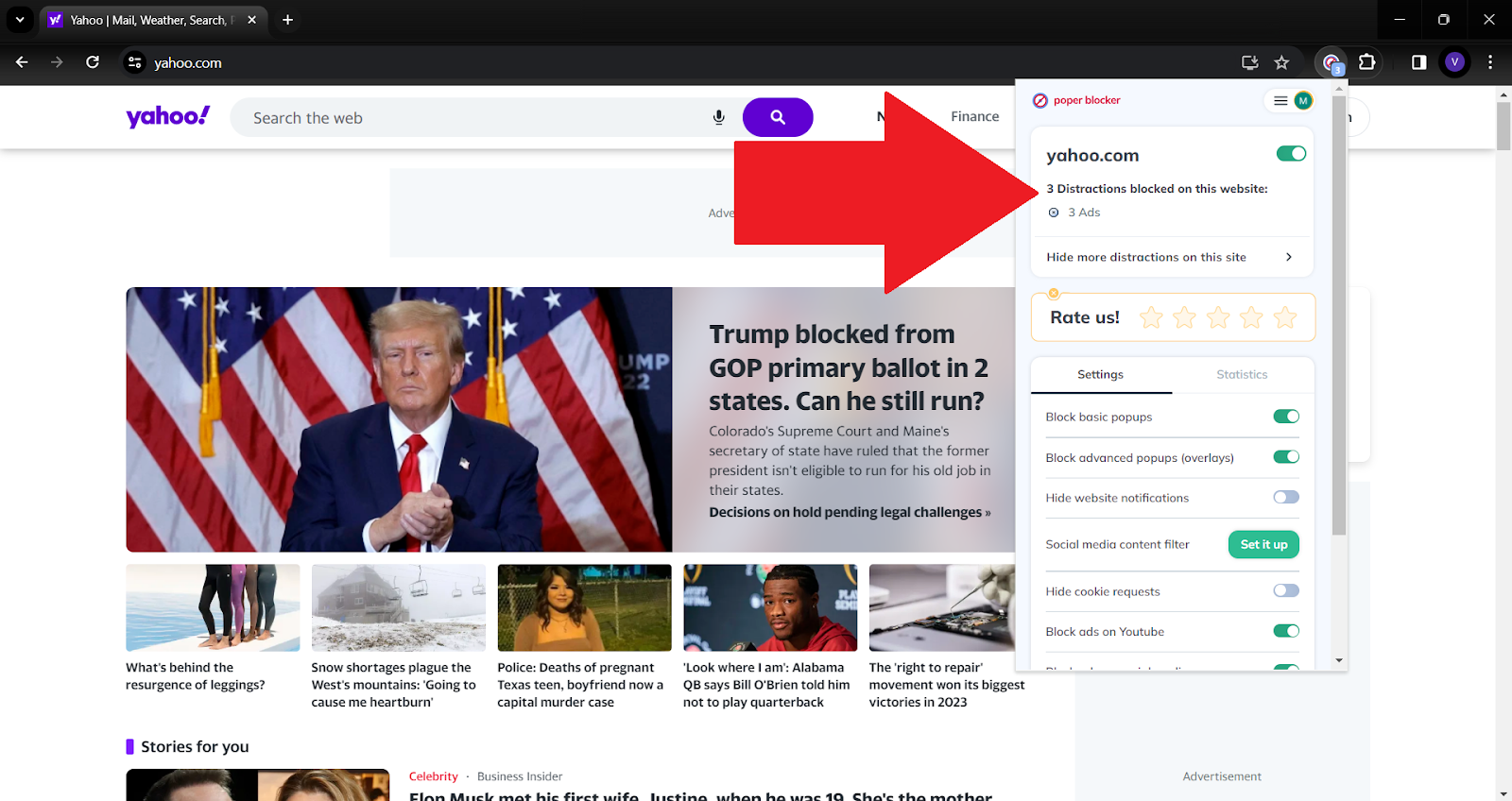
Imagine a world where every online session is smooth, uninterrupted, and tailored to your preferences. That’s the reality Poper Blocker offers. It’s not just about blocking unwanted content; it’s about reclaiming your time and attention for a more enjoyable online experience.
Remember that your browsing experience is yours to shape. With tools like Poper Blocker, you’re equipped to make every online interaction more meaningful and rewarding. Embrace this change and experience the web like never before!
Upgrade to an ad-free browsing experience with Poper Blocker – Download here!
FAQs
What are the benefits of blocking video ads?
A video ad block significantly enhances your online experience. It reduces page loading times, saves bandwidth, and eliminates the annoyance of unexpected audio and video interruptions. This leads to a more focused and enjoyable browsing session, especially when reading content or watching videos online.
Can blocking video ads improve browser performance?
Yes, blocking video ads can positively impact browser performance. Video ads consume additional resources, including CPU and memory, which can slow down your browser. By blocking these ads, you free up these resources, resulting in faster browsing and more efficient device performance.
Is it legal to block video ads?
Absolutely. Blocking video ads is a legal practice. It’s a user’s choice to control what content they want to see on their browsers. A video adblocker like Poper Blocker simply provides a tool to filter out content that users prefer not to see, such as intrusive video ads.
Will websites know if I’m using a video ad remover?
Some websites can detect the presence of ad blockers and may request that you disable them to access their content. This is because many websites rely on ad revenue. However, advanced ad blockers like Poper Blocker are designed to be discreet, minimizing the chances of detection.
How does Poper Blocker differ from other ad-blocking tools?
Poper Blocker stands out due to its user-friendly interface and effectiveness in blocking a wide range of ads. It’s designed to offer a more comprehensive ad-blocking experience, removing not just video ads but also pop-ups and sponsored content on social media platforms. Its seamless integration with various browsers makes it a convenient choice for users seeking a distraction-free online experience.