Chrome Web Extension
 Edge Web Extension
 Android App
 iOS App


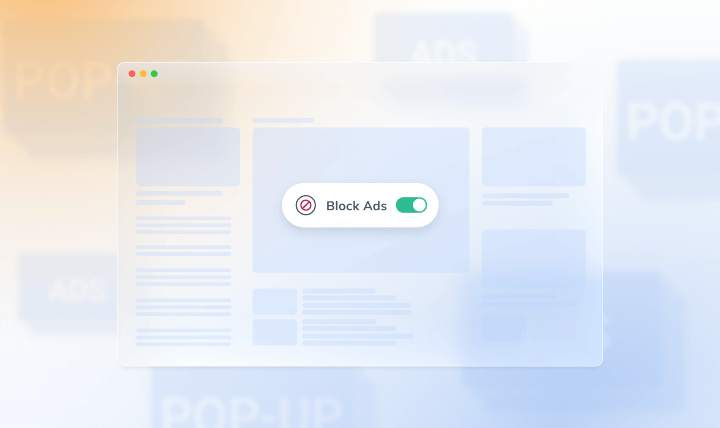
You open a website to read one article. A banner sits at the top, another follows as you scroll, a pop-up asks for your email, and a video starts playing on its own. Then you switch to social media and sponsored posts appear between updates from people you actually follow. That feeling has a name: ad saturation.
This has become a common part of modern browsing because much of the internet now runs on advertising revenue. More publishers, platforms, and apps are trying to squeeze more value from every visit. The result is an online experience that often feels crowded before you even get to the content you came for.
The good news is that you do not have to accept that as normal. There are ways to reduce what you see and make the web easier to use again.
What is ad saturation?
Ad saturation is excessive exposure to advertising across digital spaces such as websites, mobile apps, and social platforms. In marketing terms, it describes the point where repeated exposure starts producing weaker results because the audience has seen the message too many times. For everyday users, it is simpler than that: it is when ads stop feeling occasional and start feeling constant.
That is what separates it from ordinary advertising. A few well-placed ads are one thing. A screen full of interruptions, repeated sponsored posts, sticky banners, overlays, and autoplay placements is something else.
This keeps getting pushed forward by two systems working together. The first is monetization, because many sites and platforms earn more when they show more ad inventory. The second is algorithmic targeting, which keeps serving promotional content to people who have already seen similar messages many times.
Why ad saturation is getting worse
Ad-driven business models keep raising the volume
A large share of the web is funded by advertising. That pushes publishers and platforms to fit more sponsored placements into the same visit. As soon as one format becomes less effective, another gets added.
Social platforms are increasing ad density
Social feeds used to feel mostly social. Now they often mix personal updates, creator posts, suggested content, and paid placements into one endless stream. The effect is that ads no longer sit off to the side. They are woven directly into the browsing flow.
Data targeting can mean more repetition, not less
Targeting was supposed to make advertising more relevant. In many cases, it also means the same person gets hit with similar promotions again and again. A survey from Epsilon found that 88% of consumers notice repetitive ads, and 84% say repeated exposure makes them pay less attention to the ad.
Competition for attention has made placements more aggressive
When every brand wants the same few seconds of attention, placement tactics get louder. That is why you keep seeing overlays, autoplay units, sticky placements, and interruptions designed to stop the scroll rather than respect it.
How ad saturation affects your online experience
It’s not just annoying. It changes how you experience the internet. Over time, it can make even simple browsing feel more tiring than it should.
Interruptions break your flow
When ads keep pushing in front of content, it becomes harder to stay focused on what you were doing. Reading gets chopped up. Watching gets delayed. Even basic scrolling feels less predictable.
Pages can take longer to load
More ad scripts, trackers, and media elements can add weight to a page. That can leave pages feeling slower and less responsive, especially on weaker connections or older devices.
Content quality often gets worse
Some sites start designing around monetization first and readability second. That can mean articles broken into multiple pages, cluttered layouts, or content squeezed between stacked placements.
It wears you down mentally
Repeated exposure can create ad fatigue. Even when you are not clicking, your attention is still being pulled, filtered, and interrupted. Over time that turns into irritation, lower patience, and a stronger urge to leave the page.
Social media can feel especially crowded
This is easy to notice on Facebook, Instagram, X, and LinkedIn, where sponsored posts blend into the feed. Instead of a clean stream of updates, you end up scanning around promotions, recommendations, and repeated commercial prompts. That kind of ad overload changes the tone of the whole experience.
Where you’ll notice ad saturation the most
News and blog sites
This is where ads on news sites become especially noticeable. Long articles may be interrupted by banners, sticky units, newsletter pop-ups, and embedded video placements that compete with the article itself.
Streaming and video platforms
Pre-roll, mid-roll, and repeat commercial breaks make these platforms one of the easiest places to notice overexposure. Repetition stands out more when you are trying to watch something continuously.
Social media feeds
In social apps, the issue is not only the number of placements. It is also how closely they resemble ordinary content. That makes it easier to scroll into sponsored posts without noticing at first.
Mobile browsing
Smaller screens make every interruption feel bigger. On phones, pop-ups and overlays can take over the screen much faster, and different types of ads compete for a very limited amount of space.
Use Poper Blocker to eliminate ad saturation
While you can’t control how many ads exist, you can control what you see.
Poper Blocker is a simple way to cut down the clutter and make browsing easier again. It is built to reduce the interruptions that make ad saturation feel so draining.
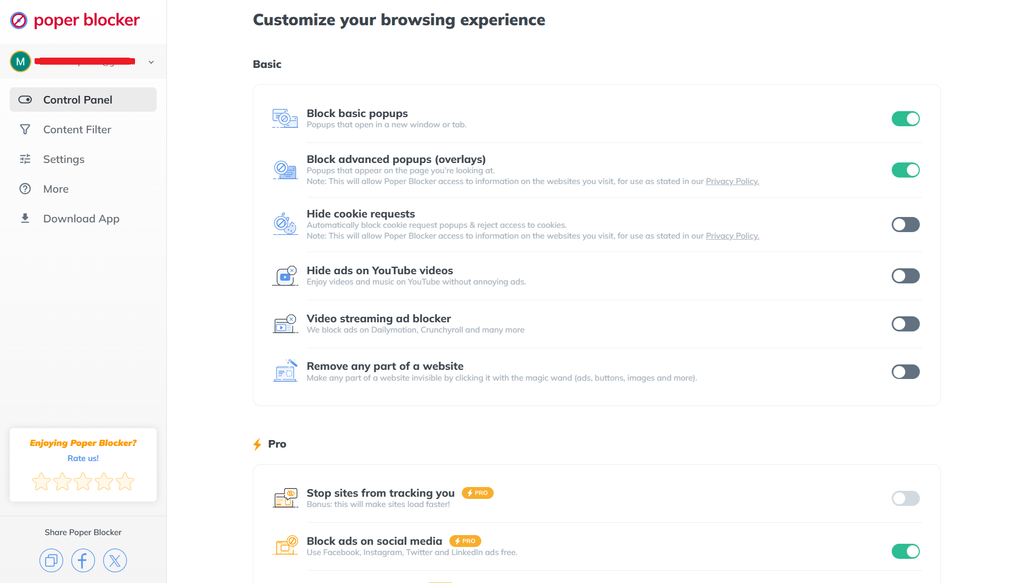
Blocks ads across websites
This tool can hide ads across websites and reduce clutter across browsing sessions, including on social platforms.
Removes pop-ups and overlays automatically
Pop-ups and overlays are often the most disruptive layer of the problem. Poper Blocker is positioned to stop these elements automatically, including advanced overlays that cover the page itself.
Works across your devices and browsers
Poper Blocker is available on Chrome, Edge, Android, and iOS. That gives users a way to reduce ad saturation across both desktop and mobile browsing instead of dealing with it on just one device.
Cleans up social media feeds
It also helps clean up social media feeds by reducing ad clutter across Facebook, Instagram, X, and LinkedIn. That means fewer sponsored posts breaking up the feed and more space for the updates and content people actually want to see.
Can make browsing feel faster and less cluttered
When you cut back on overlays, pop-ups, sponsored feed clutter, and repeated interruptions, pages generally feel easier to use. That is where a reliable ad blocker becomes useful, especially for people who are simply tired of seeing intrusive ads every time they open a page.
Tips to reduce ad saturation even further
1. Use reader modes when available
Reader mode can strip away extra page elements and leave you with the article itself. It is especially useful on long-form pages where the layout feels crowded.
2. Spend less time on ad-heavy platforms
Some platforms are simply more crowded than others. If one app or site keeps leaving you irritated, shorten your sessions there or move that activity somewhere less cluttered.
3. Avoid clicking on ad-heavy sites
When a page feels designed around too many ads instead of the content, it usually stays that way. Closing it and finding a cleaner alternative is often the better move.
Ad saturation is growing, but you can reduce it
Ad saturation is not your imagination, and it is not a small issue. The modern web is full of repeated placements, feed-level promotions, overlays, and design choices built to keep advertising in front of you as often as possible.
You do not have to treat that as the price of going online. A cleaner setup, better browsing habits, and tools like Poper Blocker can help you cut through the noise and make the internet feel usable again.
FAQ
What causes ad saturation?
Ad saturation happens when websites, apps, and platforms keep increasing ad exposure to earn more from each visit or session. Repetition, aggressive placement, and heavy targeting all add to it.
Is ad saturation the same as banner blindness?
Not exactly. Banner blindness is one effect of repeated exposure, where people start ignoring ad-like elements automatically. Ad saturation is the broader issue of being exposed to excessive advertising in the first place.
Why does ad saturation feel worse on mobile?
Phones have less screen space, so pop-ups, overlays, and feed ads take over more of what you can see. A small interruption on desktop can feel much larger on mobile.
Can ad saturation affect site speed?
Yes. More ad-related scripts, media, and page elements can add weight to a site. That can make pages feel slower and less stable during browsing.
Can you fully remove ad saturation?
Probably not across the entire internet, because the web itself is heavily ad-funded. What you can do is reduce how much reaches your screen and make your own browsing setup much cleaner.